A pool that looks tired usually gives warnings before it fails. Loose tiles, cloudy water that keeps coming back, rising energy bills, rough surfaces, or equipment that needs constant attention are all signs that the problem is bigger than routine service. At that point, choosing the right pool renovation company is less about cosmetics and more about protecting safety, operating costs, and the value of the property.
For homeowners, communities, and hotels, renovation decisions tend to come with pressure. You want the pool back in service quickly, but you also need a clear diagnosis, realistic scope, and work that solves the cause instead of masking it. That is why the company you hire matters as much as the finish you choose.
What a pool renovation company should actually do
A renovation is not just a resurfacing job or a few aesthetic updates. A capable pool renovation company should evaluate the full condition of the installation, including the shell, waterproofing, filtration, circulation, lighting, pipework, fittings, and surrounding elements that affect performance. If that review is skipped, the project can look finished while deeper issues remain in place.
In practice, good renovation work starts with inspection and prioritization. Some pools need a full structural and technical upgrade. Others mainly need a new finish, tile replacement, and more efficient equipment. The right scope depends on age, usage, water loss, maintenance history, and whether the pool serves a private home, a shared community, or a hospitality property with high daily demand.
This is where many projects go off track. Some contractors price only what is visible because it helps them offer a lower starting number. That can be tempting, but it often leads to change orders, delays, and frustration once the pool is opened up. A more reliable approach is a detailed assessment up front, even if that means harder conversations early in the process.
Signs you need a pool renovation company, not another repair
Small repairs have their place, but there is a point where patching becomes the expensive option. If the same issue returns every season, the system is telling you that a deeper intervention is due.
Frequent leaks, persistent cracks, outdated filtration, unstable water chemistry, and recurring pump or lighting failures usually indicate that the pool has moved beyond basic maintenance. Surface wear is another major factor. If the finish is rough, stained, delaminated, or uncomfortable underfoot, it affects both appearance and user safety.
Energy use also matters. Older pumps, inefficient hydraulic layouts, and poor circulation can increase monthly operating costs more than many owners realize. In those cases, renovation is not only about updating the look of the pool. It is about reducing waste and improving long-term reliability.
How to evaluate a pool renovation company
The best hiring decisions usually come from asking practical questions, not impressive ones. You do not need a sales pitch. You need clarity on how the company inspects, plans, executes, and follows through.
Start with diagnosis, not design
A strong contractor begins by understanding what is failing and why. Design options matter, but they should come after technical review. If the first conversation focuses only on colors, finishes, or shape changes without discussing structure, hydraulics, or equipment condition, that is a red flag.
Ask how the company identifies hidden issues such as leaks, pipe deterioration, drainage problems, or circulation imbalances. A serious team should be able to explain its inspection process in plain language and connect proposed work to specific findings.
Look for scope that is clear and measurable
Vague estimates create expensive surprises. A professional proposal should outline what is included, what is excluded, what assumptions have been made, and where uncertainty may still exist. That does not mean every renovation can be predicted down to the last detail, because once demolition starts, additional defects can appear. But the company should show you how those situations are handled.
Clear budgeting is especially important for communities and hotels, where approvals, scheduling, and service continuity affect more stakeholders. If a contractor cannot explain the scope simply, managing the project later will be harder.
Check whether they handle the full process
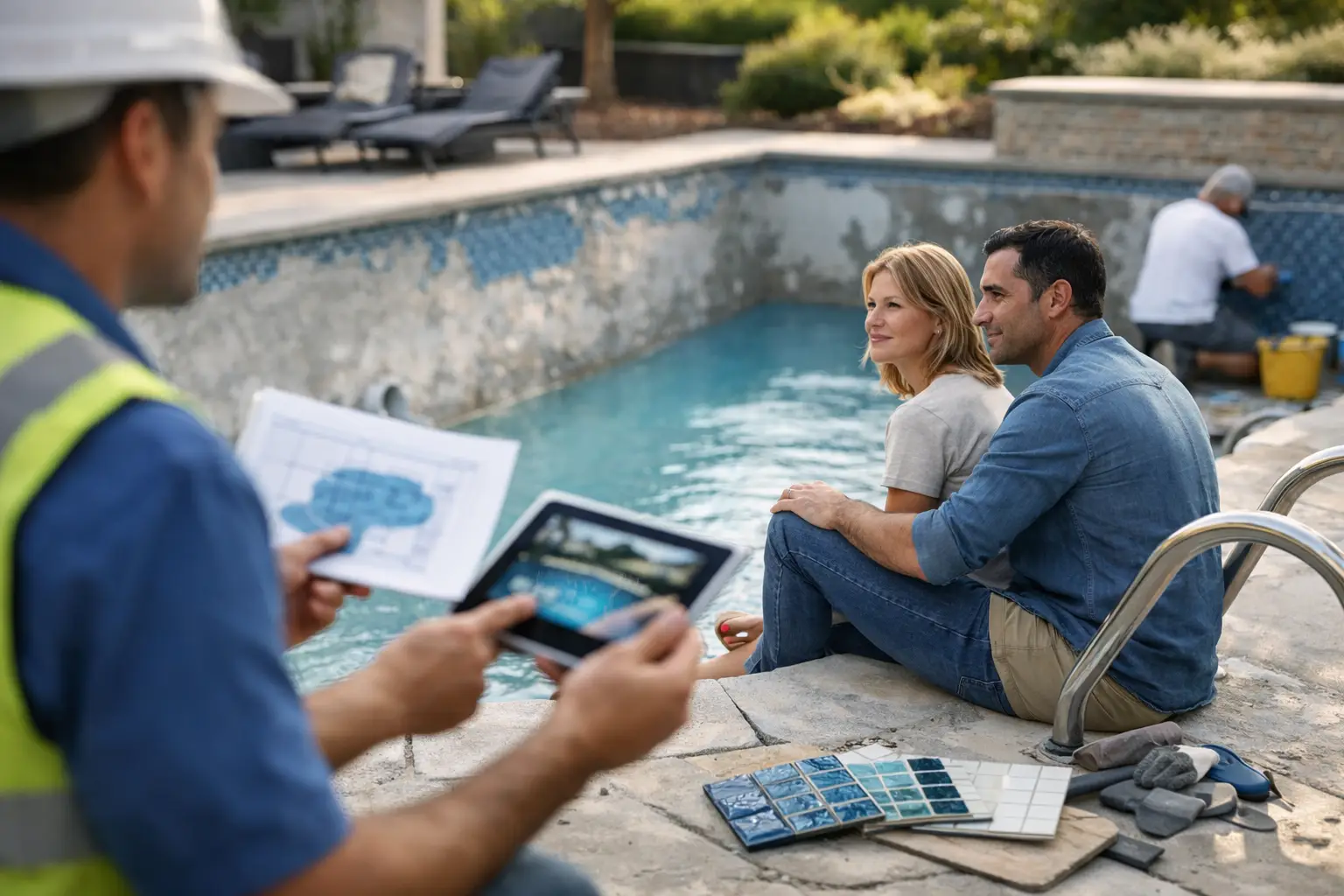
Renovation often involves several moving parts at once: finish removal, structural repairs, waterproofing, tiling, equipment replacement, electrical work, lighting upgrades, and recommissioning. When too many subcontractors work without strong coordination, delays become more likely and accountability gets blurred.
A company that can centralize diagnosis, technical work, follow-up, and ongoing maintenance usually offers better continuity. That matters after the renovation too. The pool still needs correct startup, water balancing, equipment monitoring, and regular service to protect the investment.
What affects cost in a pool renovation project
There is no honest flat price for every pool renovation because the cost depends on condition, not just size. Two pools of the same dimensions can have very different budgets if one only needs resurfacing and the other has leaks, outdated systems, and damaged pipework.
The biggest cost drivers are usually structural condition, chosen finish, access to the site, equipment upgrades, and the age of the existing installation. Timing can also influence the project. Renovating in a lower-demand period may offer more scheduling flexibility, while urgent high-season work often comes with tighter timelines and higher operational pressure.
It also depends on the objective. A homeowner may prioritize aesthetics and comfort. A hotel may focus on durability, safety compliance, and minimizing downtime. A community may need a balance between budget control and reliable long-term performance. The right company will adapt the proposal to those priorities instead of pushing the same solution to every client.
Why technical upgrades often matter more than appearance
A new finish can transform the look of a pool, but visual improvements alone do not solve poor circulation, high energy consumption, or unreliable treatment systems. In many cases, the real return comes from upgrading how the pool works.
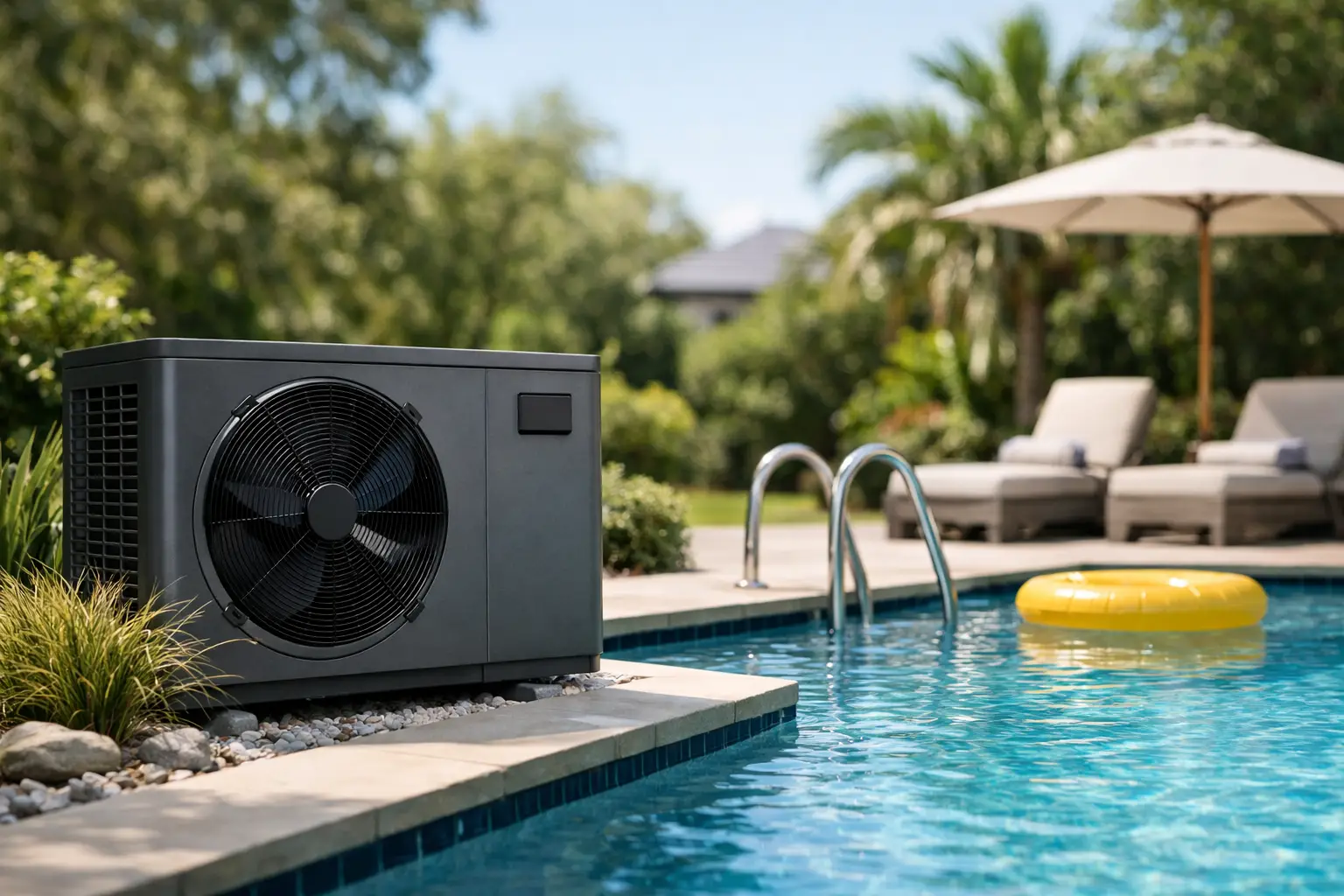
Variable-speed pumps, modern filtration components, improved hydraulic balance, efficient lighting, and better control systems can reduce operating costs while making the pool easier to manage. For properties in warm, high-use areas such as Marbella, Mijas Costa, and Estepona, that operational gain can be significant because the pool is not an occasional feature. It is part of daily living, guest experience, and property presentation.
This is one reason renovation should be treated as a technical decision with design benefits, not the other way around. A good result looks better, but it should also run better.
Timeline expectations and common delays
Every client wants a fast turnaround, and that is reasonable. Still, speed should not come at the expense of diagnosis or curing times. Surface preparation, waterproofing, tile setting, and commissioning all need the right sequence. Rushing those stages can shorten the life of the work.
The most common causes of delay are hidden defects, material lead times, weather exposure, and poor coordination between trades. The way a company manages these variables says a lot about how the final result will hold up. You are not looking for promises that nothing unexpected will happen. You are looking for a team that plans well, communicates quickly, and makes decisions without losing control of the project.
The value of working with one long-term provider
One of the biggest advantages in pool renovation is continuity. When the same provider can inspect the pool, complete the renovation, replace technical components, and then maintain the system afterward, the handoff is simpler and the learning is cumulative.
That means fewer gaps in responsibility and better long-term performance. It also helps when future issues appear, because the service team already understands the installation history, the equipment selected, and the priorities of the property. For many owners and managers, that continuity is worth as much as the renovation itself.
Infinity Brand works with this integrated approach because it reduces friction for clients and improves control over results. Instead of treating renovation as a one-time project, it becomes part of a more stable service plan for the life of the pool.
What to ask before you approve the job
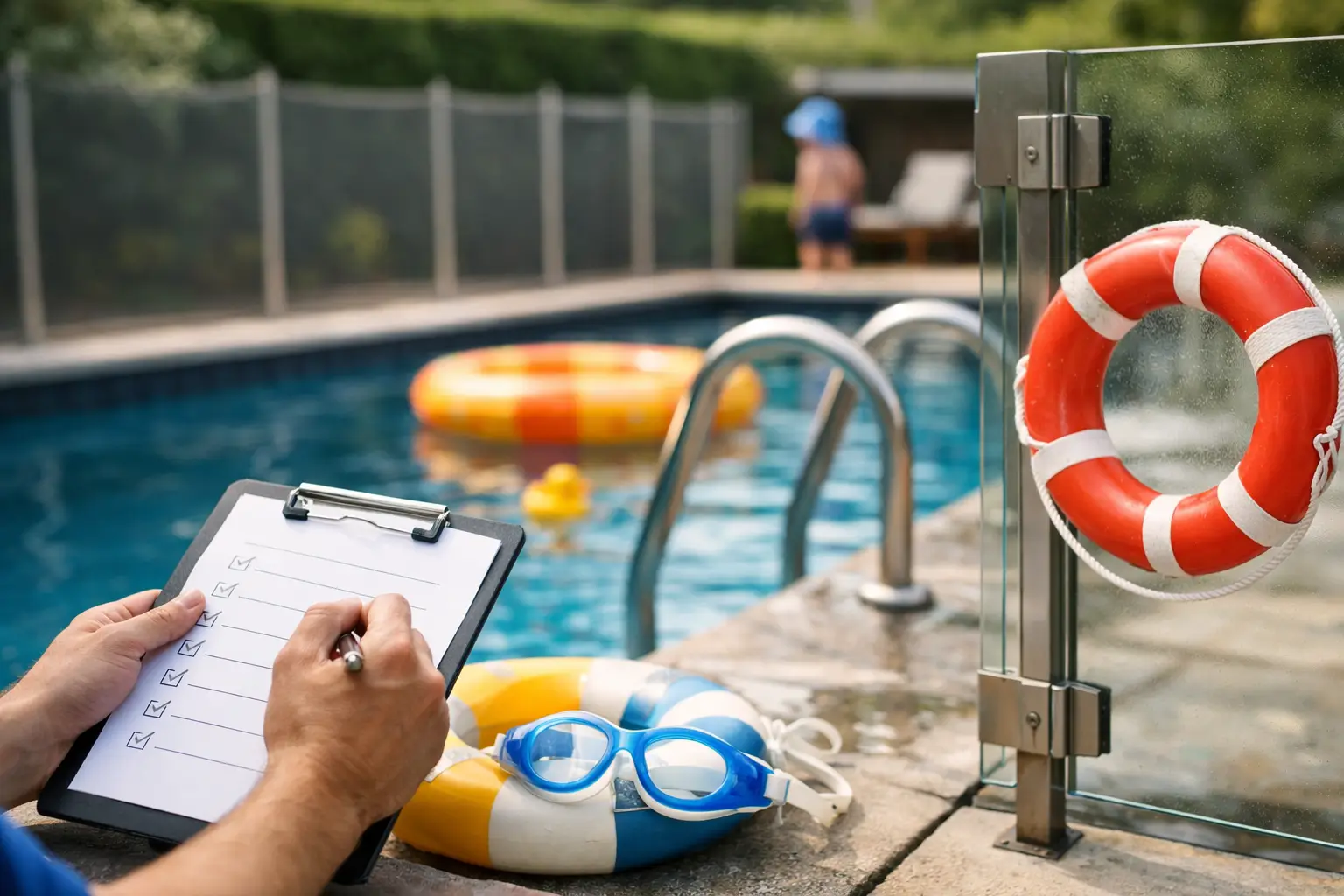
Before signing any proposal, ask who will carry out the work, how the scope was defined, what technical risks have been identified, and what post-renovation support is included. You should also understand the expected timeline, payment structure, and startup process once the pool is back in operation.
Those questions are not about being difficult. They are how you protect your budget and avoid avoidable downtime. The right company will answer them directly, without vague promises or inflated language.
A pool renovation should leave you with fewer worries, not a new set of them. If the company is transparent before the project starts, there is a much better chance the work will stay on schedule, perform as expected, and hold its value over time.
The best renovation projects are not the ones that look dramatic on day one. They are the ones that still feel easy, efficient, and dependable long after the work is finished.