A pool can raise the value of a property, improve day-to-day living, and change how guests experience a home or hotel. It can also become an expensive problem when the wrong builder treats it like a simple concrete job. Choosing a new pool construction company is less about who gives the fastest quote and more about who can design, build, and support the pool as a working system.
That distinction matters. A pool is not just shape and finish. It is hydraulics, filtration, waterproofing, circulation, electrical protection, energy consumption, drainage, and future maintenance. If those parts are planned separately or left vague at the proposal stage, the owner usually pays for it later through repairs, delays, higher operating costs, or repeated callouts.
What a new pool construction company should really handle
A serious new pool construction company should be able to manage the project from technical assessment through handover. That includes site review, design feasibility, excavation planning, structure, pipework, filtration equipment, finishes, startup, and practical guidance on maintenance and safe operation.
Just as important, the company should explain what is included and what is not. Ambiguity is where many projects start going off track. If a proposal says pool construction but does not clearly define the equipment room, drainage, lighting, access constraints, or commissioning, the final cost can move quickly.
For homeowners, that often means budget stress. For communities and hotels, it creates a bigger operational risk because opening dates, guest expectations, and safety responsibilities are all tied to the build schedule.
Design is only one part of the job
A pool may look impressive in a rendering and still perform poorly in real use. Good construction starts with asking how the pool will be used. A family pool, a villa with occasional seasonal use, and a hotel pool each need a different technical approach.
Depth profile, step layout, finish selection, pump sizing, filtration rate, and water treatment setup should all match the use case. The wrong design choices can create dead spots in circulation, slippery surfaces, noisy equipment, or unnecessary energy use. These are not cosmetic issues. They affect comfort, safety, and long-term cost.
This is where experienced builders stand apart. They can talk about aesthetics, but they can also justify pipe diameters, equipment placement, and why one layout will be easier to maintain than another.
Questions worth asking before you sign
The best early conversations are practical. Ask who prepares the technical scope, who installs the equipment, how startup is handled, and what support exists after the pool is filled and running.
You should also ask how the company approaches leak prevention, waterproofing, and access for future repairs. A beautiful machine room that is impossible to service is not a smart installation. Neither is a premium finish laid over weak preparation.
If the answers are vague, overly sales-driven, or focused only on visual finishes, that is usually a warning sign.
Budgets need detail, not optimism
One of the most common mistakes in pool construction is comparing quotes that are not built on the same scope. A lower price may simply exclude key components that will appear later as variations. That is why clear budgeting matters more than headline pricing.
A dependable proposal should identify structural work, circulation system, filtration, electrical components, lighting, finish, coping, and startup. If heating, covers, automation, water features, or surrounding works are optional, they should appear separately.
This is especially important for higher-value homes and hospitality properties, where expectations are high and downtime is costly. Saving money on undersized equipment or low-grade materials often creates the opposite result. The owner pays less upfront and more every season after.
The hidden cost of poor technical planning
Most clients notice tile, color, and shape first. The hidden costs usually come from what they cannot see – pipe routing, hydraulic balance, equipment quality, and commissioning.
Poor planning can produce cloudy water, pressure loss, uneven suction, excessive chemical consumption, and pumps that run longer than necessary. Those issues are frustrating in a private home and even more disruptive in communities or hotels where the pool is part of the property experience.
A company that understands construction and ongoing pool operation will design with serviceability in mind. That usually leads to fewer surprises after handover.
Why long-term maintenance should influence the build
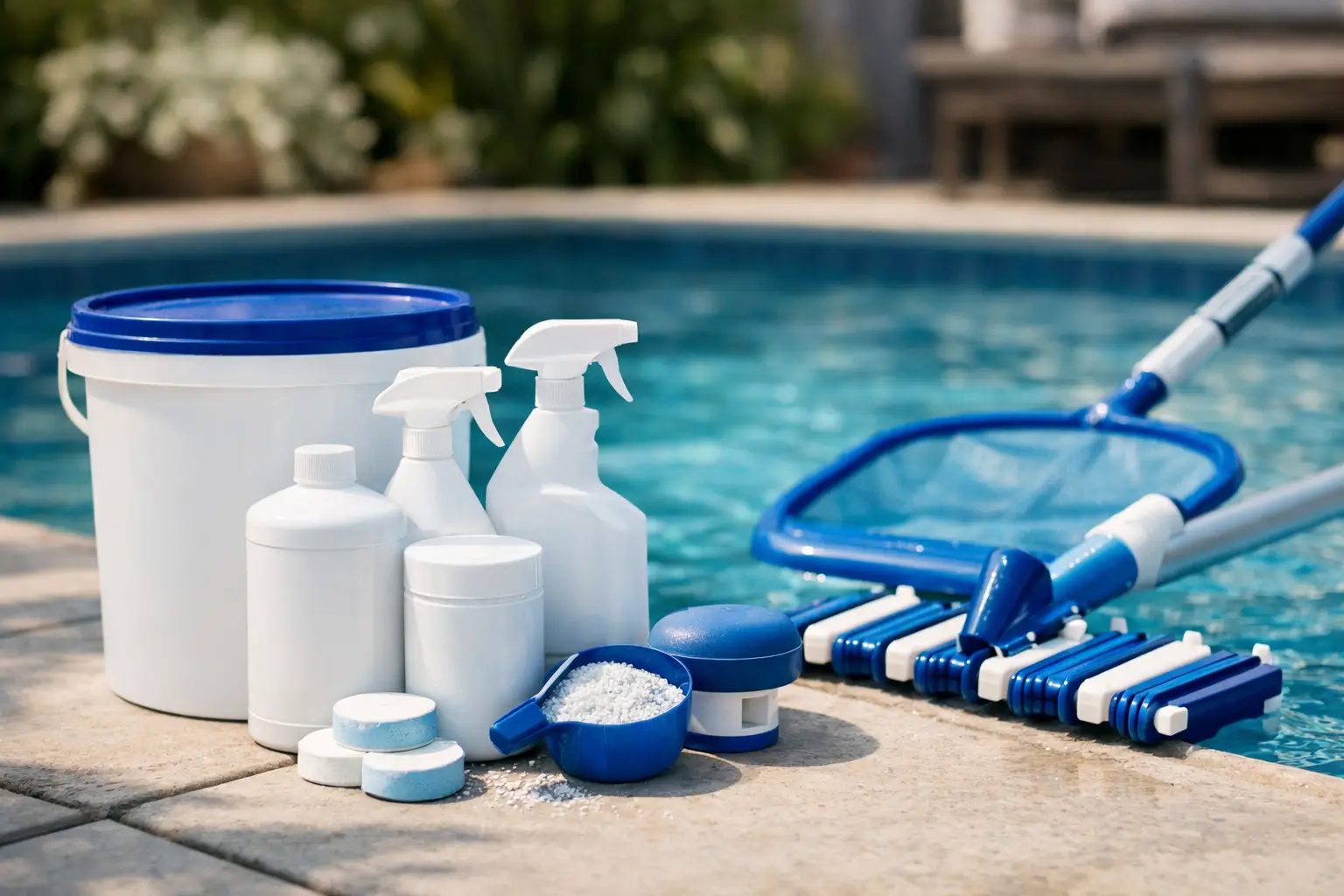
Many pool projects are sold as one-time builds, but the real test starts after completion. Water chemistry, filter performance, seasonal adjustments, cleaning access, and wear on components all shape the ownership experience.
That is why a new pool construction company should think beyond the handover date. The layout of the equipment room, the accessibility of valves, the sizing of the filter, and the choice of treatment system all affect future labor and running costs.
This is where integrated service becomes valuable. A company that also handles maintenance and technical support sees the downstream consequences of design decisions every week. It knows which systems are easier to keep stable, which installations tend to fail early, and which shortcuts create recurring service issues.
For clients, that means better decision-making during construction. Instead of choosing based only on what looks good in a quote, they can choose based on how the pool will perform over the next five or ten years.
Timelines matter, but coordination matters more
Most clients ask how long the build will take. That is a fair question, but the better one is how the process is coordinated.
A realistic construction schedule depends on access, permits where required, soil conditions, weather, subcontractor control, material lead times, and finish curing periods. Fast promises are easy to make before excavation begins. Reliable project management is harder, and more valuable.
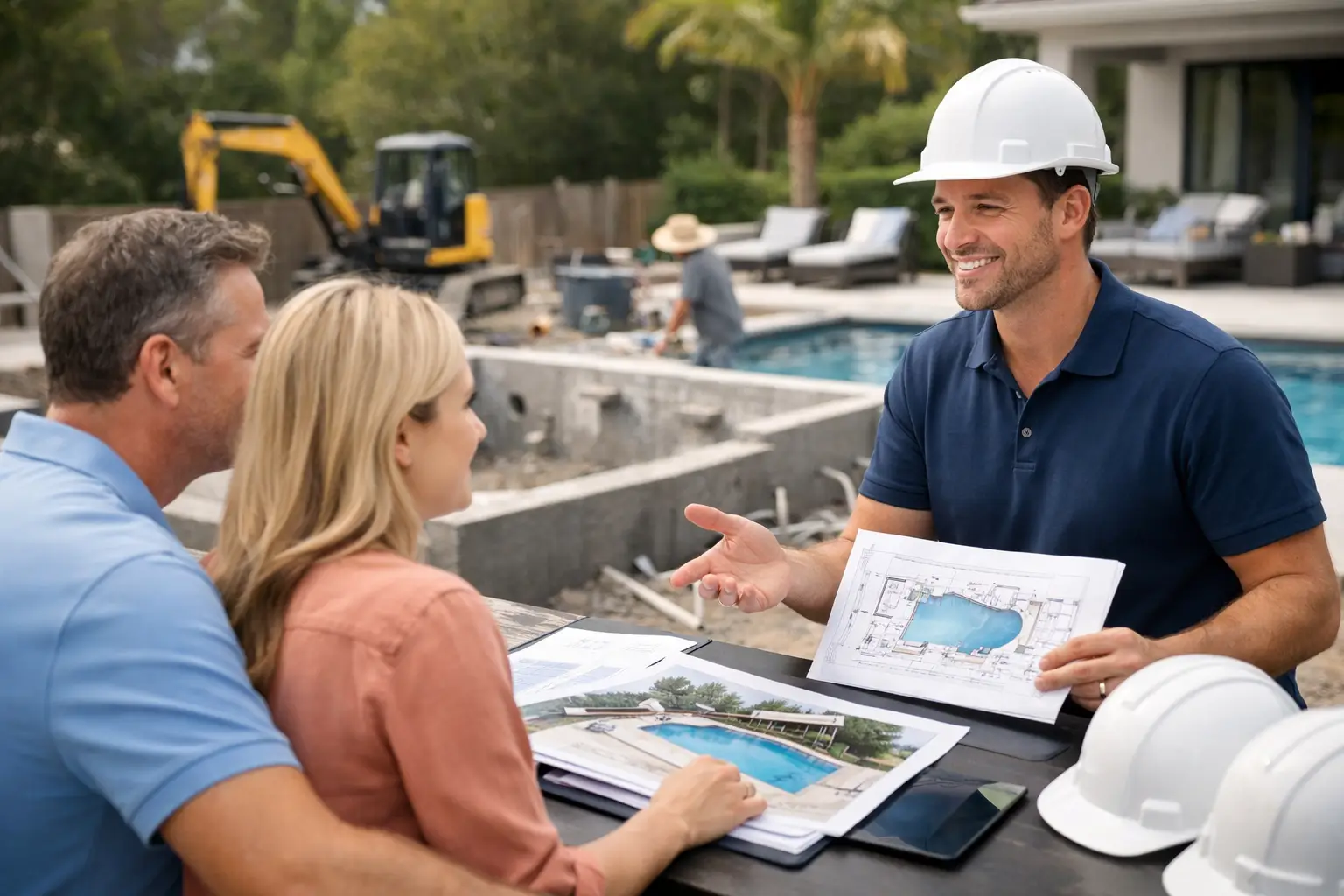
A well-run company will explain the sequence clearly. First comes technical review and scope definition. Then site preparation, structure, hydraulic and electrical installation, finish work, equipment setup, testing, and startup. Each phase should have responsibility assigned and visible quality checks.
When that structure is missing, delays multiply. One team blames another, materials arrive late, and small errors become expensive corrections.
New pool construction company standards that protect the client
The right company tends to have a few habits in common. It documents the scope clearly, explains trade-offs without jargon, and gives practical recommendations based on use, not just margin. It also treats the pool as an asset that needs to work reliably, not as a one-off construction photo.
For example, in coastal markets such as Marbella, Estepona, or Mijas Costa, environmental conditions and usage patterns can affect design choices, equipment durability, and maintenance planning. A builder with local operating experience can account for those factors early instead of reacting later.
That local understanding is useful, but it should still be supported by process. Good builders rely on clear diagnostics, structured execution, and measurable results. That is more reassuring than sales language.
When the cheapest option is not the best value
There are cases where a simple pool with straightforward access can be built efficiently and without unnecessary extras. Not every project needs premium automation or complex water features. It depends on the property, usage, and operating expectations.
But value is not the same as low price. The best value usually comes from balanced choices – durable materials, correctly sized equipment, a clean hydraulic design, and a company that can keep supporting the installation after completion.
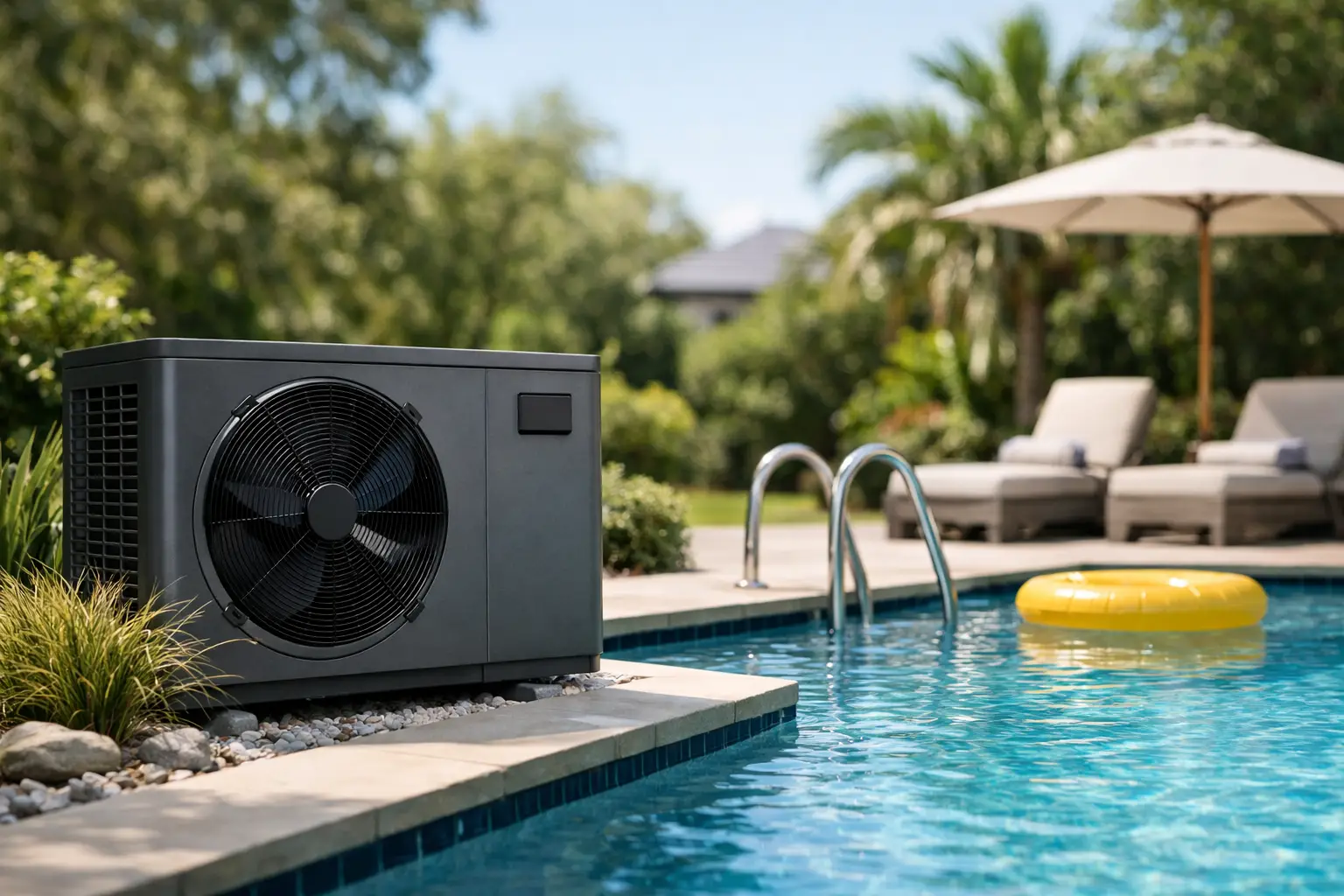
That support matters when a pump fails in peak season, water balance becomes unstable, or the owner wants to improve efficiency later with a cover, updated treatment system, or equipment upgrade.
A better way to evaluate builders
Instead of asking only for a quote, ask each company how it thinks. Ask what problems it is trying to prevent, how it sizes equipment, what startup includes, and how it handles aftercare. A capable builder should be comfortable discussing both construction and operation.
This is one reason integrated providers stand out. A company like Infinity Brand can approach new construction with the same technical mindset used in maintenance, repairs, leak detection, and system upgrades. That joined-up view reduces gaps between design, execution, and long-term performance.
For owners, administrators, and hospitality managers, that means fewer handoffs and better accountability. One team understands the installation from day one and can keep managing it as needs change.
A new pool should not feel like a leap of faith. It should feel planned, costed, and technically under control from the first site visit onward. When a builder can offer that level of clarity, the project usually starts better and stays better long after the water goes in.
The right pool is not just the one that looks good on completion day. It is the one that still runs efficiently, safely, and predictably when the season gets busy.