A hotel pool rarely gets judged on chemistry reports or pump performance. It gets judged in seconds – by the first guest who sees cloudy water, a loose tile, or an out-of-order sign where a clean, open pool should be. That is why hotel pool maintenance services are not just a technical requirement. They are part of the guest experience, the property’s operating efficiency, and the hotel’s reputation.
For hotels, pool care is different from residential maintenance and more demanding than many general service plans allow for. Usage is heavier, expectations are higher, and small issues escalate faster. A minor imbalance in water chemistry can become a guest complaint. A neglected pump room can turn into an expensive shutdown. And a slow response to wear and tear often leads to bigger repair bills later.
What hotel pool maintenance services should actually cover
A proper service plan should go well beyond skimming leaves and adding chemicals. Hotels need a structured maintenance program built around safety, water quality, equipment reliability, and predictable operating costs.
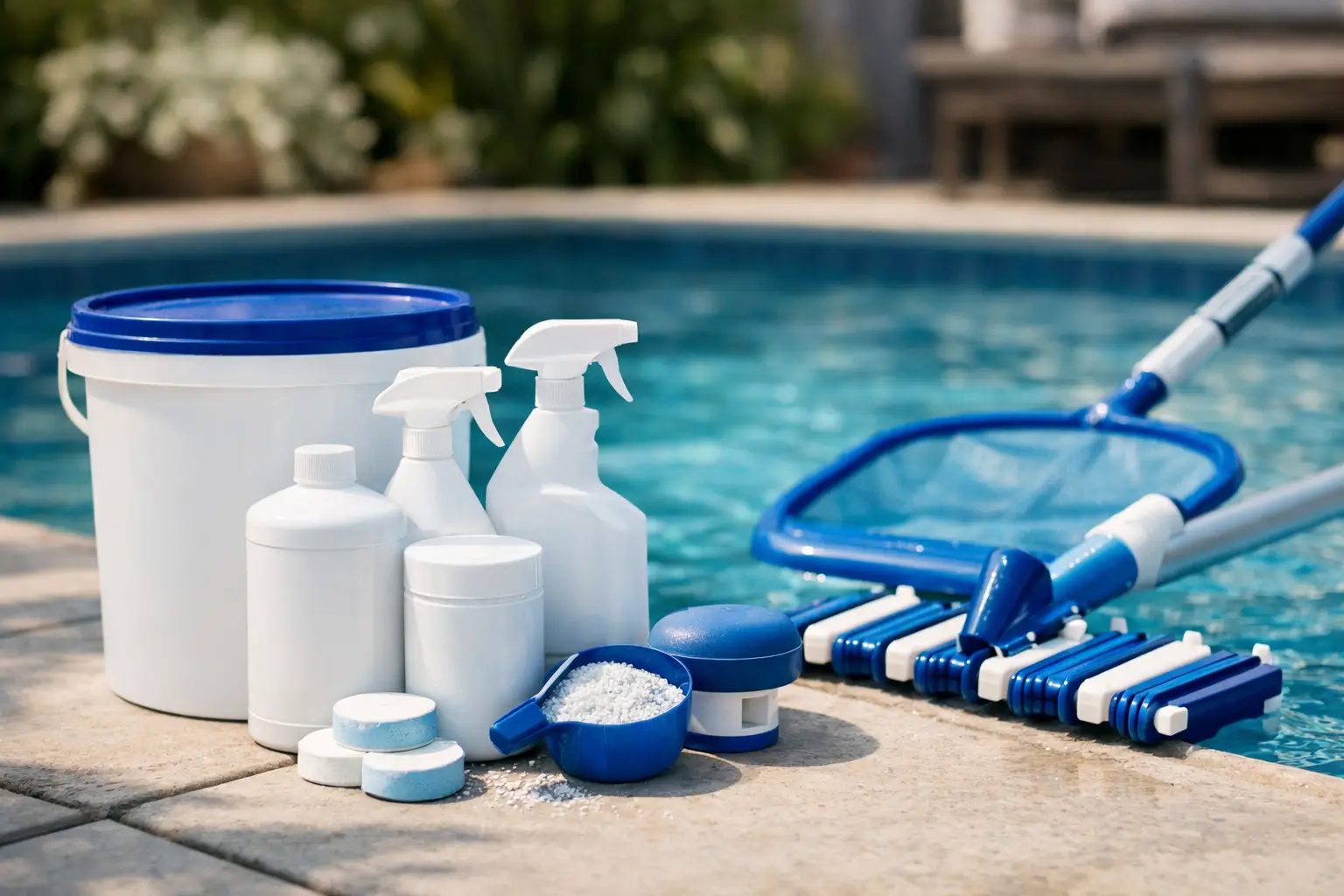
That starts with routine water testing and correction. pH, chlorine or other sanitizing systems, alkalinity, calcium hardness, and stabilizer levels need to stay within range, but the right balance depends on factors such as bather load, weather, water temperature, and whether the pool is indoor or outdoor. In a hotel setting, those variables change quickly, especially during peak occupancy.
Maintenance should also include cleaning of baskets, filters, pool surfaces, and waterline buildup. If these tasks are delayed, circulation drops, sanitizer performance weakens, and visual quality suffers. Guests may only notice cloudy water or surface debris, but behind that there is usually a broader maintenance gap.
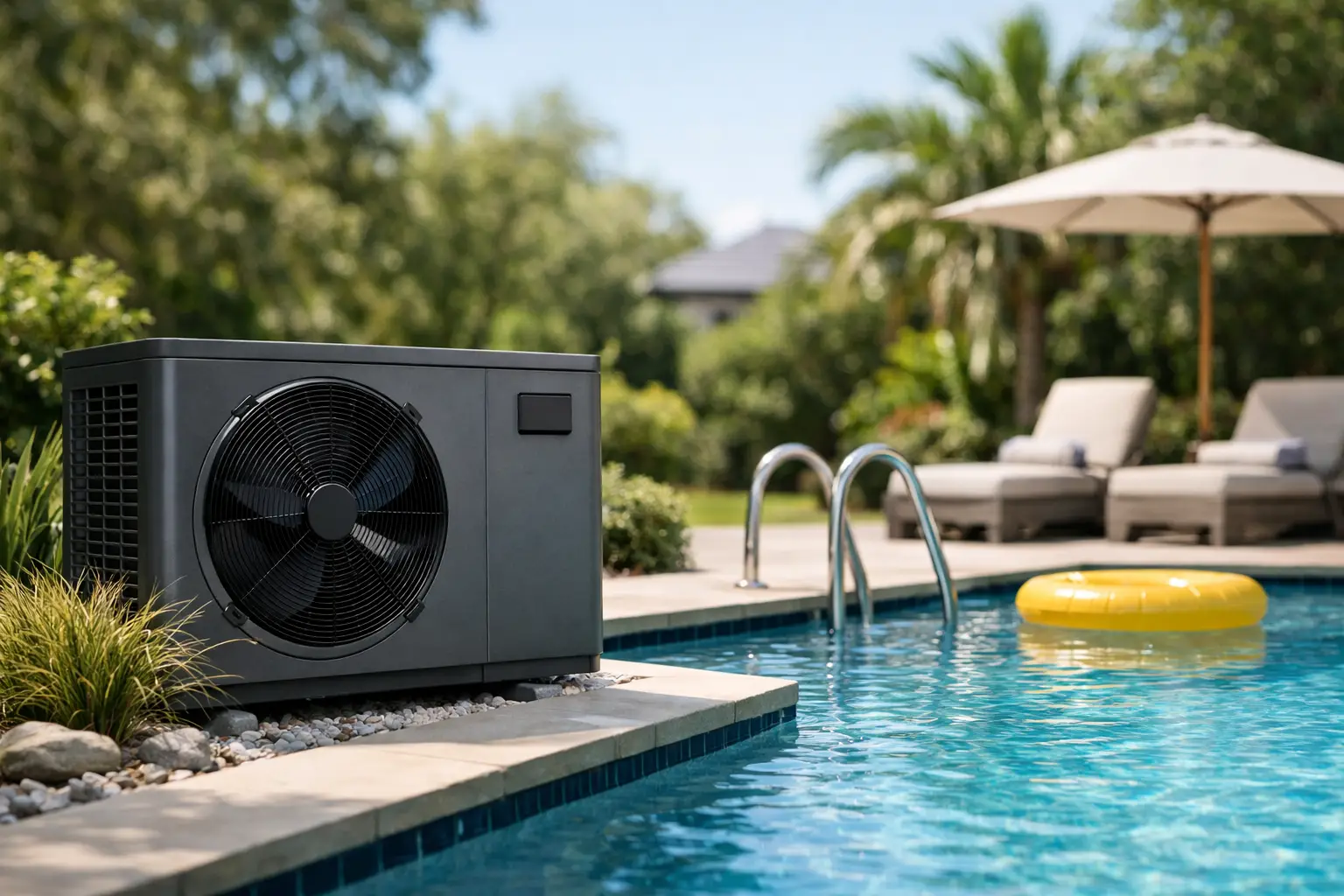
A complete service also covers inspection of pumps, valves, dosing systems, filters, lights, drains, and control panels. Hotels often lose money not because of one major failure, but because of a series of small unchecked inefficiencies – a motor drawing poorly, a leak increasing water consumption, or a filtration cycle that no longer matches demand.
Why hotels need a different maintenance standard
A private pool can tolerate some flexibility. A hotel pool usually cannot. It is part of a commercial environment where appearance, uptime, and safety all affect revenue.
If a family hotel has to close the pool for two days in high season, the problem is not limited to maintenance. It impacts reception, guest satisfaction, online reviews, and sometimes compensation claims. For premium properties, a poorly presented pool area can damage the perceived value of the entire stay.
This is why the best hotel pool maintenance services use protocols, reporting, and scheduled preventive checks instead of reacting only when something goes wrong. Reactive service tends to look cheaper at first, but it often creates more downtime, more urgent callouts, and more disruption for hotel staff.
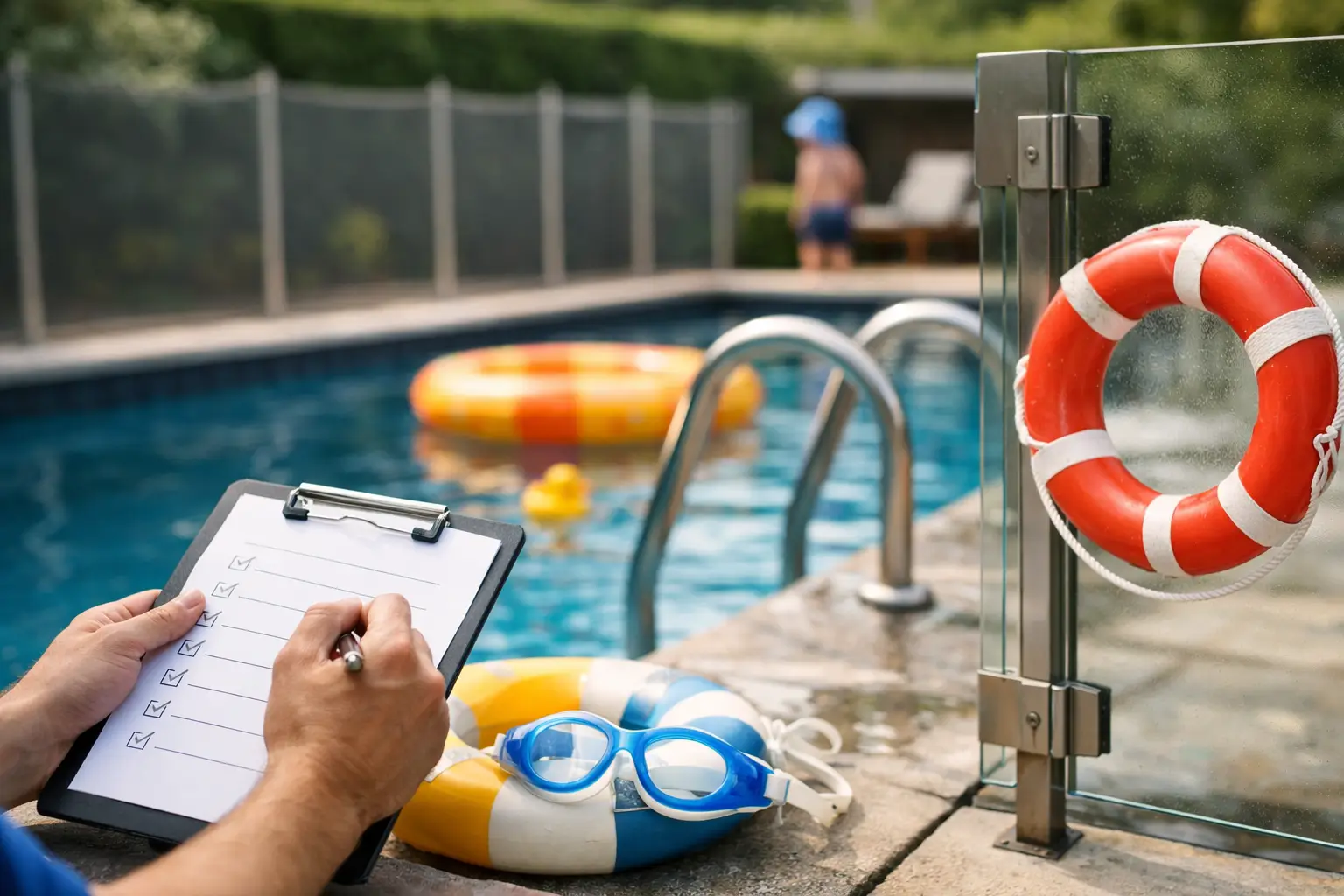
There is also the compliance side. Water quality, safety systems, and equipment conditions must be controlled consistently, not casually. Hotel managers need confidence that tasks are being performed correctly and documented clearly. A service provider should make operations easier, not create more work for the property team.
The hidden cost of inconsistent pool maintenance
The visible issue is rarely the only issue. Cloudy water may point to filtration problems, poor dosing, high organic load, or circulation dead spots. Excess chemical consumption may indicate poor calibration, an aging system, or contamination pressure from heavy use. Repeated tile damage may be linked to water balance, structural movement, or leaking areas.
When maintenance is inconsistent, hotels usually pay in three ways. First, they spend more on emergency repairs because preventable wear goes unchecked. Second, they absorb higher utility and chemical costs because equipment works less efficiently. Third, they risk reputational damage when the pool looks neglected or becomes unavailable.
This is where a technical, full-cycle provider adds value. If the same team can inspect, maintain, diagnose, repair, and recommend upgrades, decisions are faster and clearer. There is less back-and-forth between multiple contractors and less time lost waiting for someone to take ownership of the problem.
What a preventive service model looks like
For most hotels, the right model includes planned visits, seasonal adjustments, and technical oversight of the full installation. Frequency depends on pool size, guest volume, and the complexity of the system. A small boutique hotel may need a different schedule than a resort pool with spa features, heating, automated dosing, and high daily use.
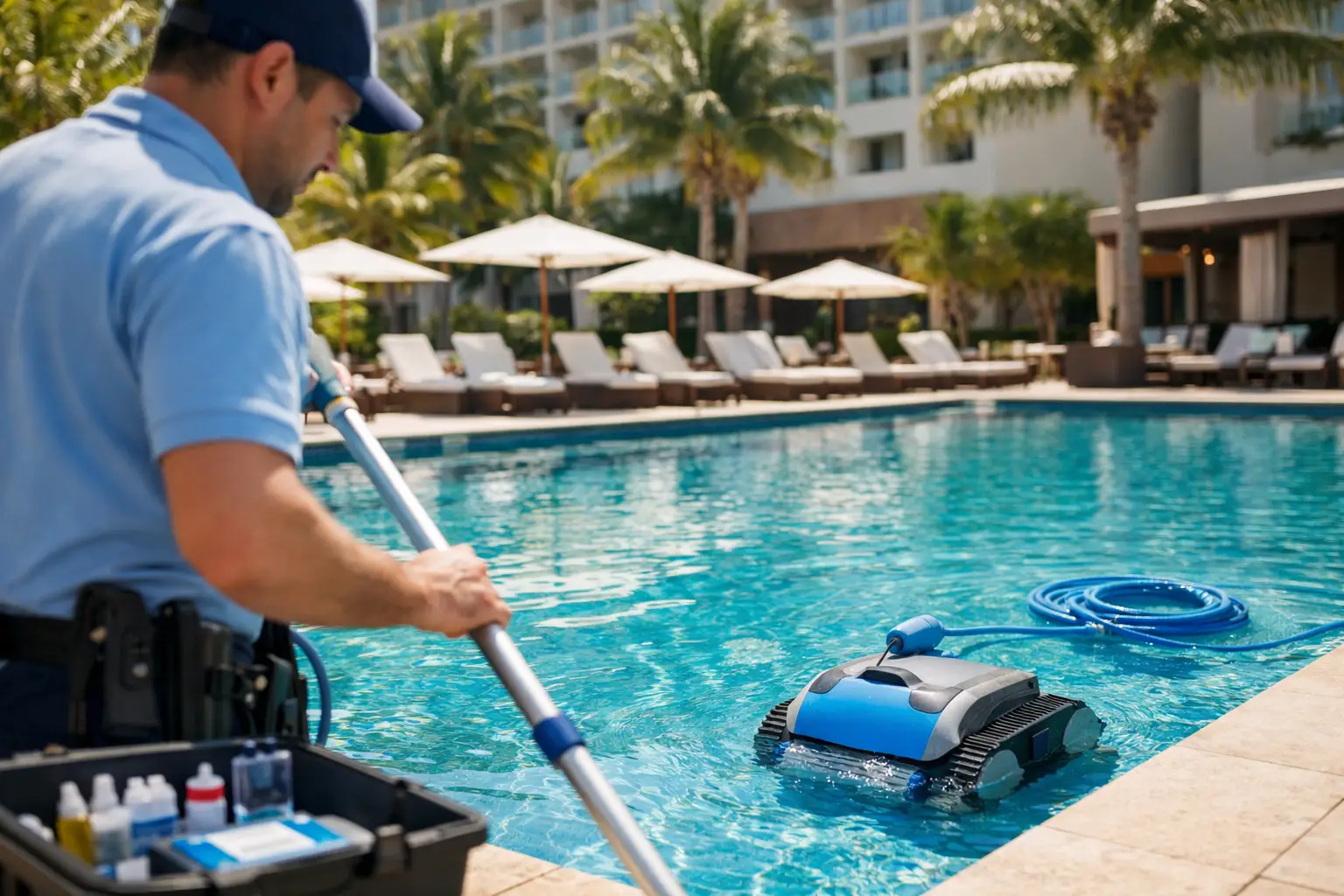
In practical terms, preventive maintenance usually includes regular water analysis, dosage correction, physical cleaning, filter maintenance, inspection of circulation systems, and checks on safety-related components. It should also include review of operating patterns. For example, if a hotel pool is seeing heavy afternoon usage and strong sun exposure, filtration and treatment may need adjustment rather than simple repetition of the same service routine.
The best plans are not generic. They are adapted to the hotel’s actual conditions, occupancy rhythm, and equipment setup. That is especially relevant in coastal areas such as Marbella, Mijas Costa, and Estepona, where climate, seasonal peaks, and outdoor exposure can place extra pressure on water balance and surface wear.
Repairs, upgrades, and maintenance should work together
Many hotel pools do not have one problem. They have a mix of aging equipment, cosmetic wear, rising operating costs, and maintenance routines that no longer fit the current usage of the property. Treating these issues separately often creates delays and fragmented decision-making.
A better approach is to connect maintenance with technical service and improvement planning. If a filtration system is underperforming, the goal is not only to keep it running for another month. The goal is to determine whether repair, recalibration, or replacement will reduce long-term costs and improve reliability.
The same applies to leak detection, surface repairs, lighting problems, broken coping, damaged covers, and outdated dosing systems. Hotels benefit when one provider can diagnose the issue, explain the options clearly, and carry out the work without disrupting regular pool operations more than necessary.
This is one reason many properties prefer working with a company that combines recurring maintenance with technical interventions and renovation capability. Infinity Brand, for example, approaches hotel pools as operational assets that need continuity, not isolated visits that only solve the problem of the day.
How to evaluate hotel pool maintenance services
Price matters, but on its own it tells you very little. Hotel managers should look at scope, response capacity, reporting, and technical depth.
A good provider explains what is included in routine maintenance, what triggers additional intervention, and how urgent issues are handled. They should be able to describe their inspection process, document service clearly, and identify patterns before they become failures. If communication is vague at the proposal stage, service usually becomes vague in practice too.
It also helps to ask whether the provider handles only basic maintenance or can support repairs, leak detection, equipment replacement, renovations, and product supply. The broader the operational coverage, the easier it is to keep control over deadlines, budgets, and accountability.
Hotels should also pay attention to whether the service is customized. Two pools with the same size may require very different maintenance plans depending on guest profile, sun exposure, heating systems, and ancillary features. A serious provider will ask operational questions before prescribing a fixed formula.
When it is time to review your current plan
If the pool looks acceptable but costs keep rising, that is worth investigating. The same is true if staff are regularly chasing the maintenance company for updates, if chemical use feels excessive, or if guest-facing issues keep repeating.
Other warning signs include recurring cloudy water, frequent equipment alarms, uneven circulation, unexplained water loss, or a pattern of short-term fixes that never fully resolve the issue. None of these problems should be normalized in a hotel setting.
A pool should support the property, not create daily friction for operations. When maintenance is structured properly, the hotel gains cleaner water, fewer interruptions, clearer budgeting, and a better experience for guests and staff alike.
The right partner does more than keep the pool open. They help the hotel run with more control, fewer surprises, and a maintenance standard that matches the level of the property.