A community pool rarely fails all at once. What usually happens is smaller issues stack up – cloudy water after a busy weekend, a pump that starts making noise, chemical use that creeps higher each month, tiles that loosen, residents who complain that the pool looks fine one day and off the next. That is where professional pool service for communities stops being a routine expense and starts becoming a management tool.
For HOAs, property managers, and community boards, the real goal is not just to keep the water blue. It is to maintain a safe, compliant, predictable facility without wasting time on avoidable callouts, unclear invoices, or patchwork repairs. A shared pool has heavier use, more scrutiny, and higher liability than a private one, so the service approach has to be more structured from day one.
What pool service for communities should actually cover
Community pools need more than a quick cleaning visit. A proper service plan should combine water treatment, equipment checks, preventive maintenance, and clear reporting. If one of those pieces is missing, the risk moves somewhere else.
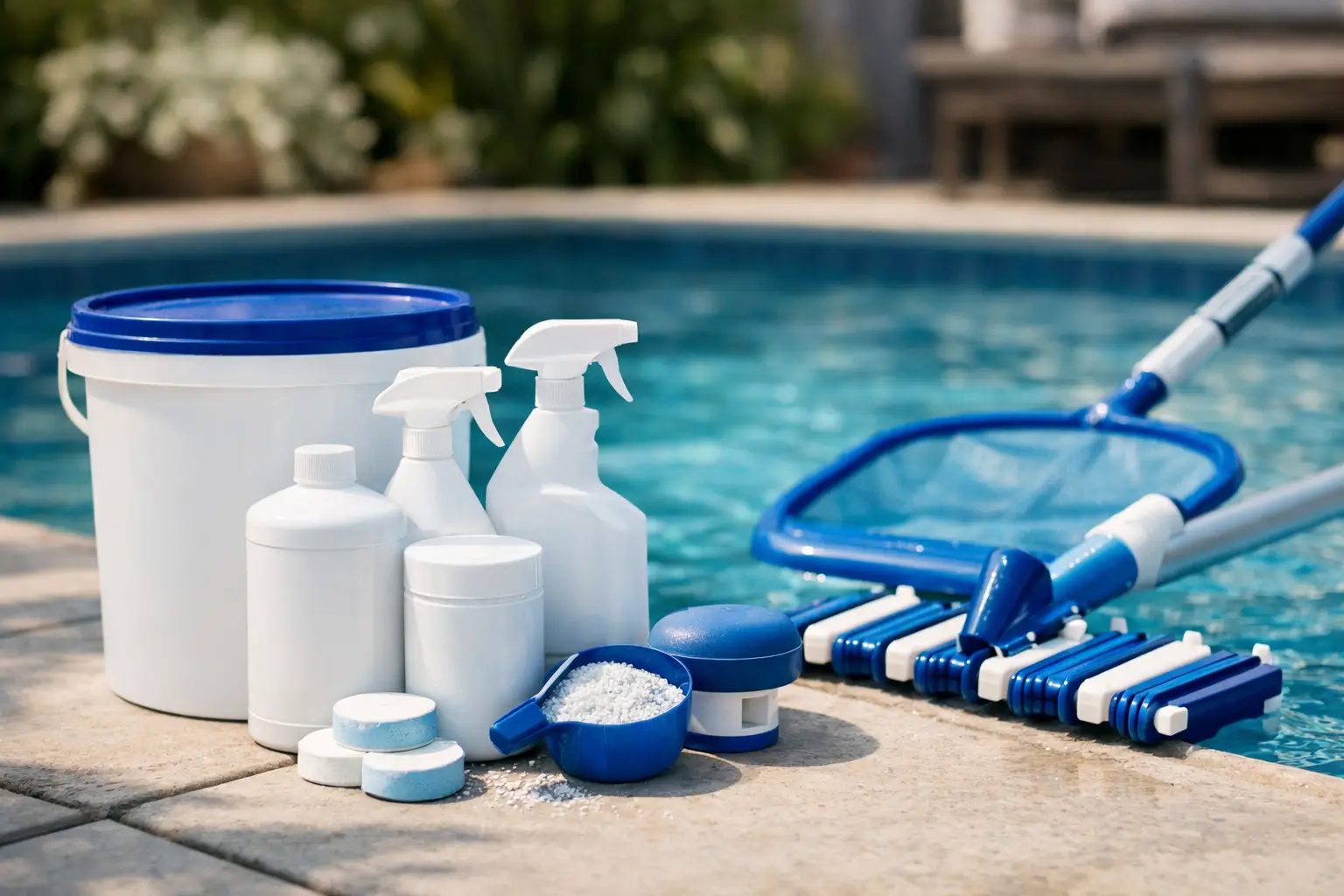
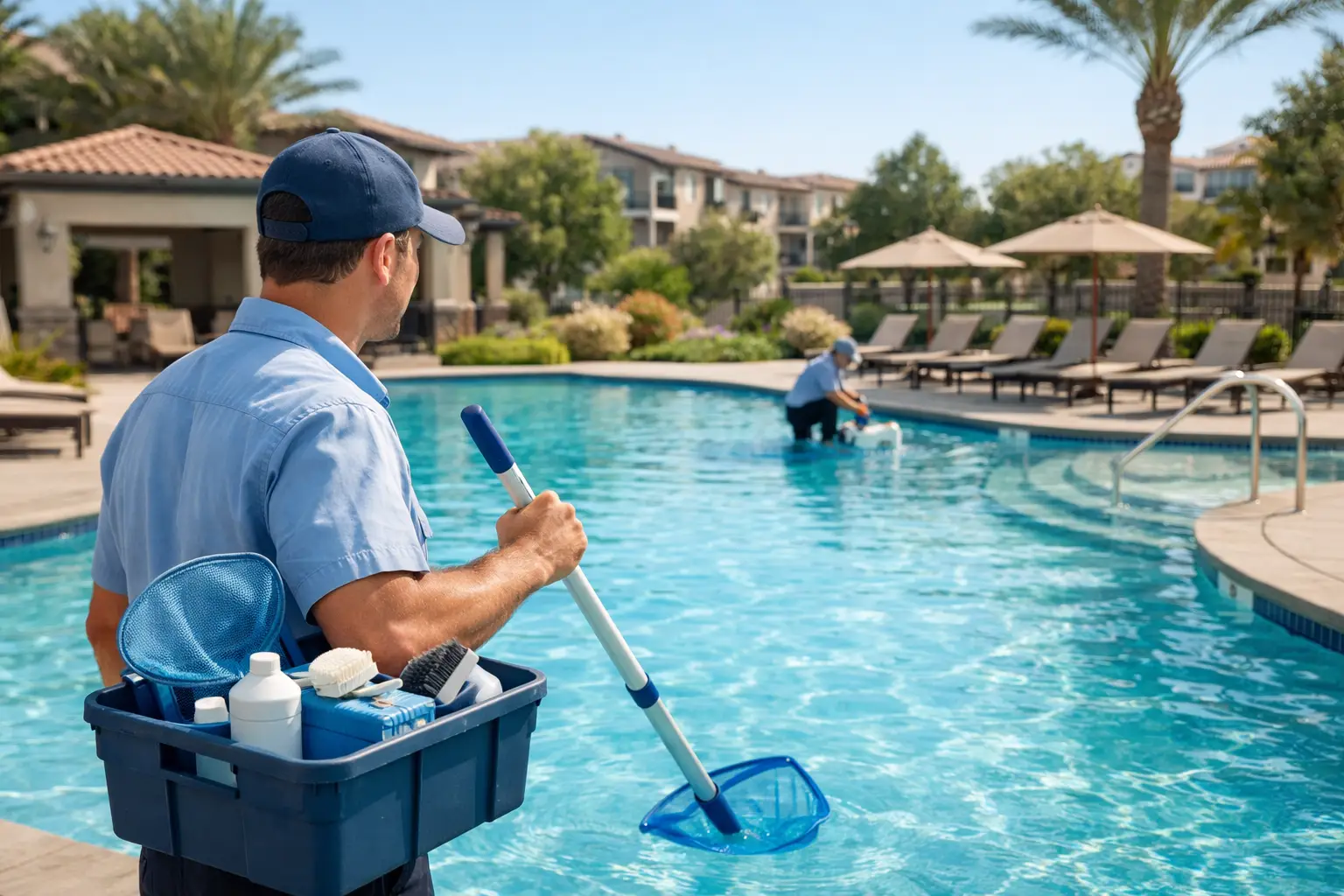
Water quality is the most visible part, but it is only one part. Balanced chemistry protects bathers, prevents damage to surfaces and equipment, and reduces the chance of algae or cloudy water during peak use. Regular brushing, vacuuming, skimming, and filter care keep the pool presentable, but they also support circulation and sanitizer performance.
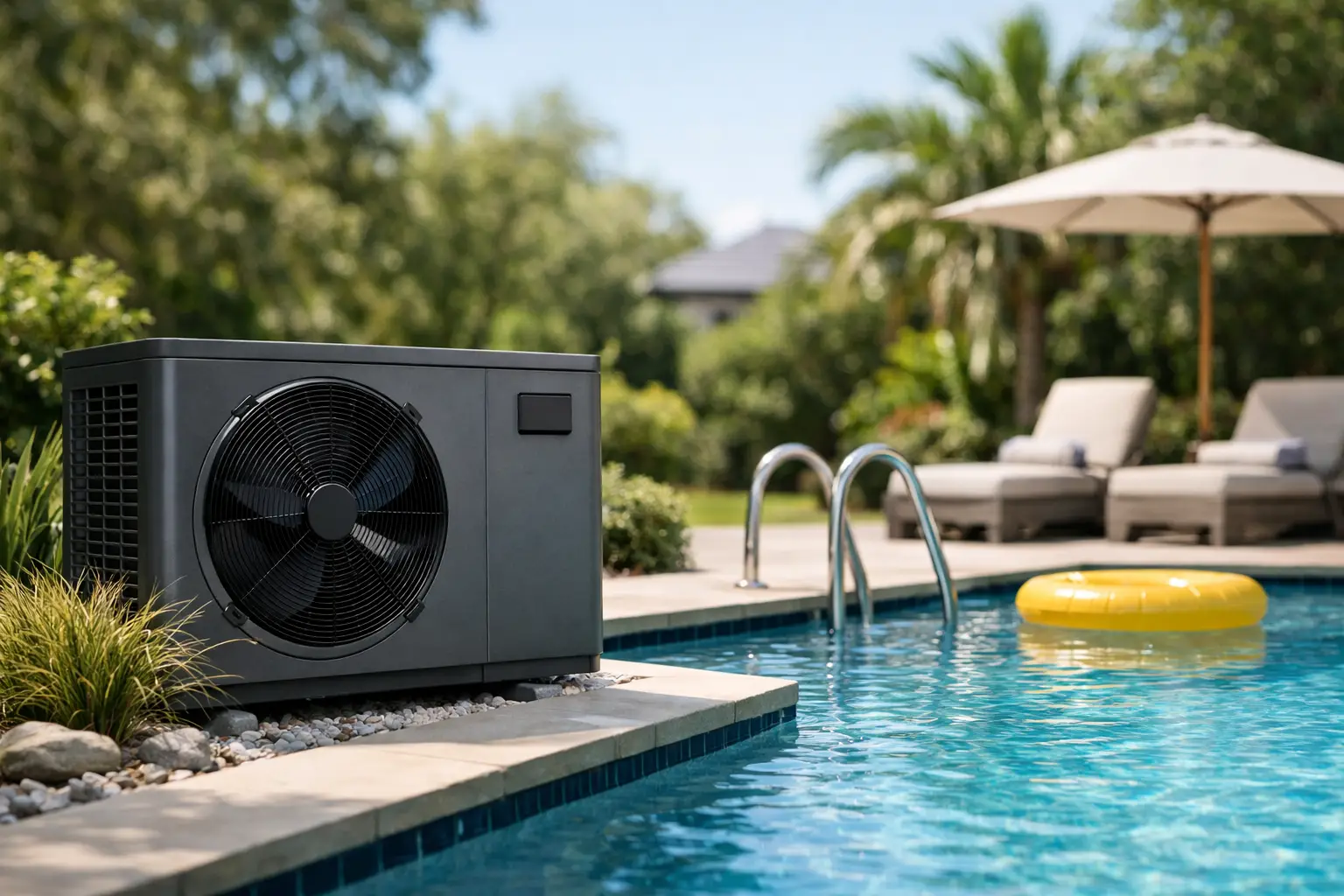
On the technical side, pumps, filters, valves, dosing systems, lights, drains, and control panels all need periodic inspection. A community pool can look fine at surface level while losing efficiency in the plant room. That often shows up later as higher energy bills, poor water turnover, or an unexpected closure.
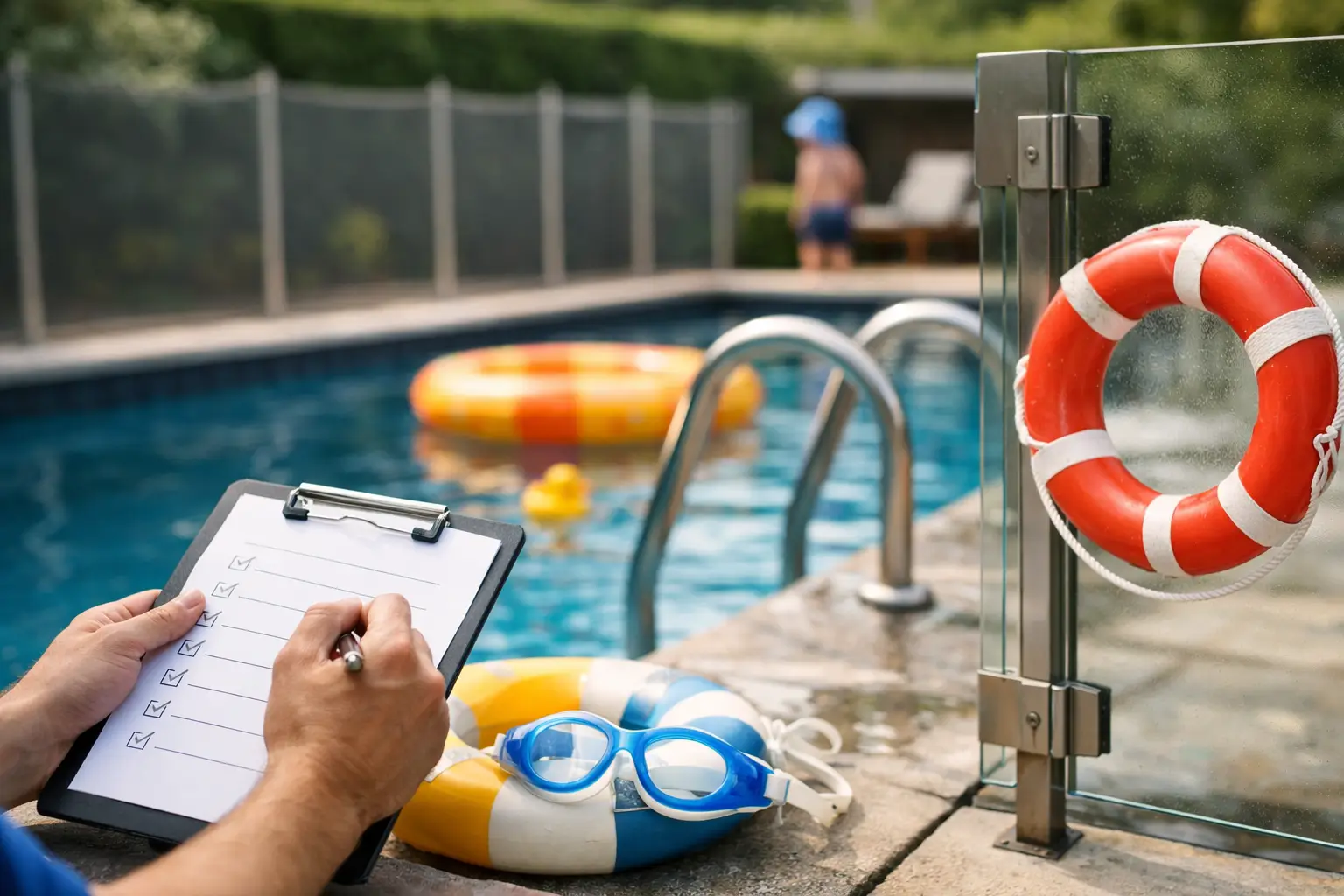
Good pool service for communities also includes documentation. Property managers do not just need the work done. They need to know what was checked, what was adjusted, what is starting to fail, and what should be budgeted before it becomes urgent.
Why community pools need a different service model
A private residential pool and a community pool may use similar components, but the operating context is completely different. Higher bather load means chemistry changes faster. Shared use means safety standards matter more. And because the pool is part of a common asset, service decisions have financial and reputational consequences.
For communities, the wrong maintenance model usually creates one of two problems. Either the pool gets only basic cleaning and underlying technical issues are ignored, or every problem becomes a reactive repair with no long-term plan. Both approaches cost more over time.
A better model is preventive and operational. That means setting service frequency based on actual use, seasonality, and equipment type. It also means adjusting the plan when conditions change. A pool used lightly in winter and heavily in summer should not be managed the same way all year.
This is especially relevant in areas with long swimming seasons, where pools stay active for more months and equipment runs harder for longer. In places like Marbella, Mijas Costa, and Estepona, that extended use can accelerate wear if the service routine is too generic.
The hidden cost of cheap or incomplete service
Low-cost service can look attractive in a board meeting. The problem is that many low-price contracts leave out the tasks that actually protect the installation. Testing may be infrequent, equipment checks may be superficial, and repairs may be handled by separate providers with no real coordination.
That creates friction quickly. The administrator has to chase different contractors, residents notice inconsistent pool conditions, and small technical failures are discovered late. A dosing problem that could have been corrected during a routine visit turns into water quality issues. A minor leak becomes structural damage. A clogged filter drives up electricity use and shortens pump life.
The trade-off is simple. A lower monthly quote may reduce short-term expense, but if it does not include proper technical oversight, the community often pays more in emergency repairs, energy consumption, replacement parts, and resident complaints.
How to evaluate a pool service provider for communities
The right provider should make management easier, not more dependent on follow-up and reminders. That starts with clarity. What is included in each visit? How often are water parameters checked? Are technical inspections part of the contract or billed separately? Who handles repairs if a fault is detected?
Response capacity also matters. Communities do not just need a company that can maintain a pool when everything is normal. They need a team that can diagnose problems quickly when circulation drops, a leak is suspected, or a system fails during high season.
It is also worth asking how recommendations are presented. Some providers simply report problems. Better providers explain priority, impact, and timing. That helps boards and managers decide what needs immediate action and what can be scheduled into a maintenance budget.
A practical sign of quality is whether the company can cover the full cycle of the pool. Routine maintenance, technical service, repairs, leak detection, equipment replacement, and renovation should not feel disconnected. When one team can assess, execute, and follow up, there is less room for delay, confusion, and duplicated cost.
Pool service for communities and cost control
Cost control is not the same as choosing the lowest contract. In community pools, the strongest savings usually come from stability. Water kept in balance needs fewer corrective treatments. Efficient filtration and circulation reduce energy waste. Early detection of wear avoids major replacements before their time.
Chemical consumption is a good example. If the pool regularly drifts out of range, operators often respond by adding more product than necessary. That does not fix the root cause. The issue may be poor circulation, filter performance, dosing calibration, or heavy use not matched by visit frequency. A technical service approach identifies the source and adjusts the system, rather than treating symptoms every week.
Energy is another area where service quality shows up. Pumps running inefficiently, dirty filters, incorrect timers, or aging equipment can push operating costs up without anyone noticing immediately. When maintenance includes performance checks, those inefficiencies become visible and fixable.
When routine maintenance is no longer enough
Some community pools are maintained regularly and still have recurring issues. That usually means the pool does not just need service. It needs intervention.
Common examples include outdated filtration systems, chronic leaks, damaged finishes, recurring algae after heavy use, failing lights, broken skimmers, or deck and coping deterioration that affects safety and appearance. In those cases, continuing with basic maintenance alone only delays the inevitable.
This is where a provider with technical and renovation capacity adds real value. Instead of calling one company to clean, another to diagnose, and another to repair, the community can work from a single assessment and a phased plan. That makes approvals easier and reduces disruption.
For older developments, partial upgrades often make more sense than full replacement. A new pump, improved automation, or a targeted repair to the hydraulic system may solve the problem at a lower cost than a complete overhaul. But that only works when the diagnosis is accurate.
What a well-run service process looks like
A strong service process is easy for the client to follow. First comes an assessment of the pool, equipment, and usage pattern. Then the service scope is defined based on what the community actually needs, not on a generic checklist.
After service begins, routine visits should follow a clear protocol. Water is tested and adjusted, surfaces are cleaned, filtration is reviewed, and technical elements are inspected. If anomalies appear, they are reported quickly with a practical recommendation.
The last part is follow-through. If a repair, replacement, or upgrade is needed, the community should receive a clear explanation of the issue, the proposed solution, and the expected effect on safety, efficiency, or cost. That level of transparency is what turns a contractor into a long-term operating partner.
Infinity Brand works in that model because communities do not benefit from fragmented pool management. They benefit from one provider that can maintain, diagnose, repair, and improve the installation without creating extra layers of coordination.
What communities should expect from the start
A shared pool should feel under control. That means clean water, stable operation, predictable communication, and fewer surprises during the season. It does not mean nothing will ever break. It means the service structure is strong enough to catch issues early and deal with them properly.
For administrators and boards, the best service is the one that reduces noise. Fewer complaints, fewer emergency calls, fewer unclear decisions, and fewer situations where the cheapest option becomes the most expensive one a few months later. When pool service for communities is set up correctly, the pool becomes easier to manage, safer to use, and more cost-efficient to operate.
If your community pool has started demanding too much attention, that is usually a sign the service model needs to change before the next issue forces the decision.