A pool rarely gives you much warning before a small issue turns into an expensive one. Water goes cloudy after a few hot days, a pump starts straining, chemical demand climbs, or guests notice staining before the owner does. That is why a weekly pool maintenance service is not just about keeping the water looking clean. It is about protecting the installation, controlling operating costs, and avoiding avoidable repairs.
For homeowners, communities, and hospitality properties, the real value is consistency. Pools are systems, not just vessels of water. Filtration, circulation, chemistry, cleaning, and safety all affect one another. When one part slips, the rest usually follow. A structured weekly visit keeps that chain under control.
What a weekly pool maintenance service should actually include
Not every service plan is equal, and this is where many clients run into frustration. Some providers do the basics, skim the surface, and leave. A proper weekly pool maintenance service should be built around inspection, correction, and reporting.
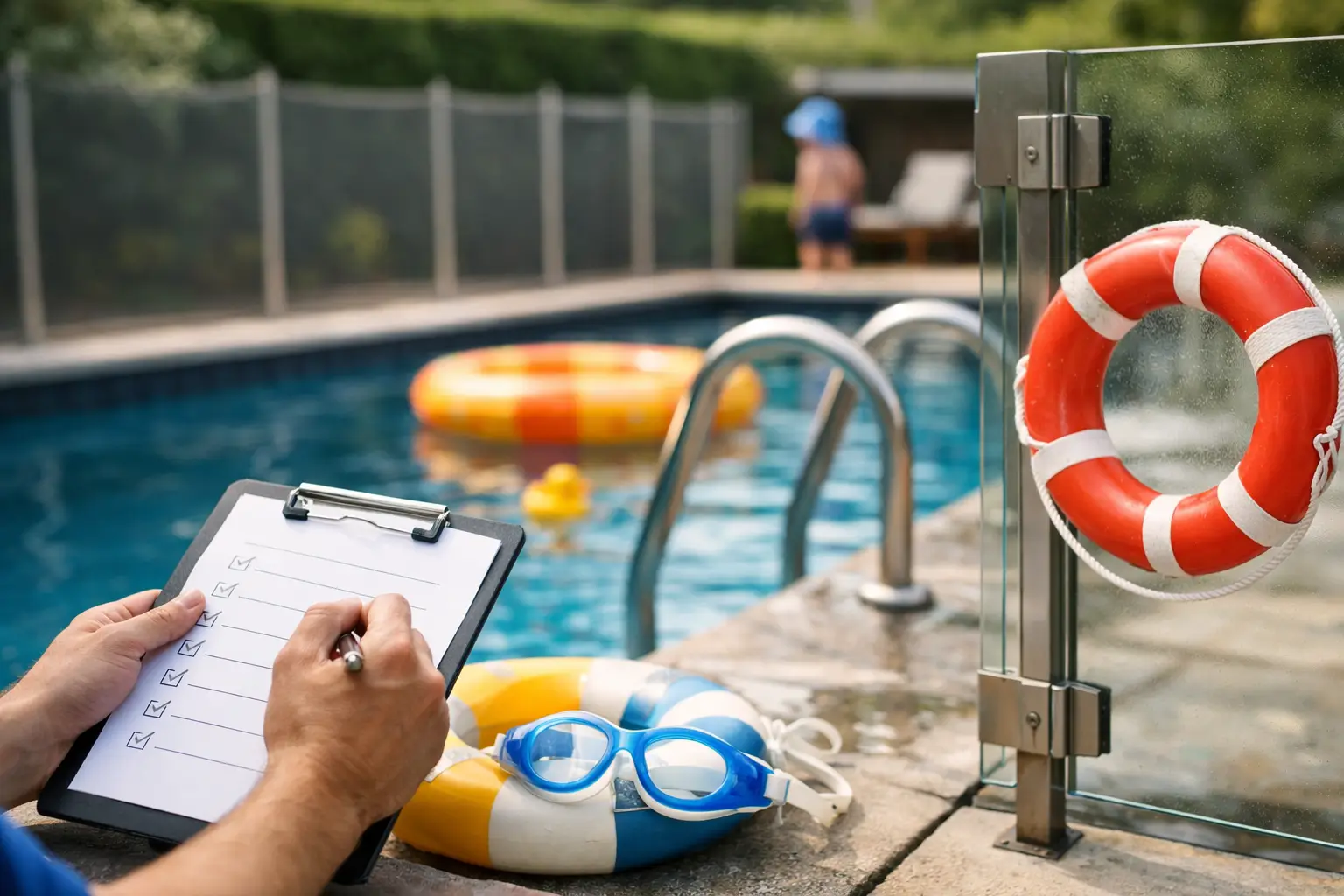
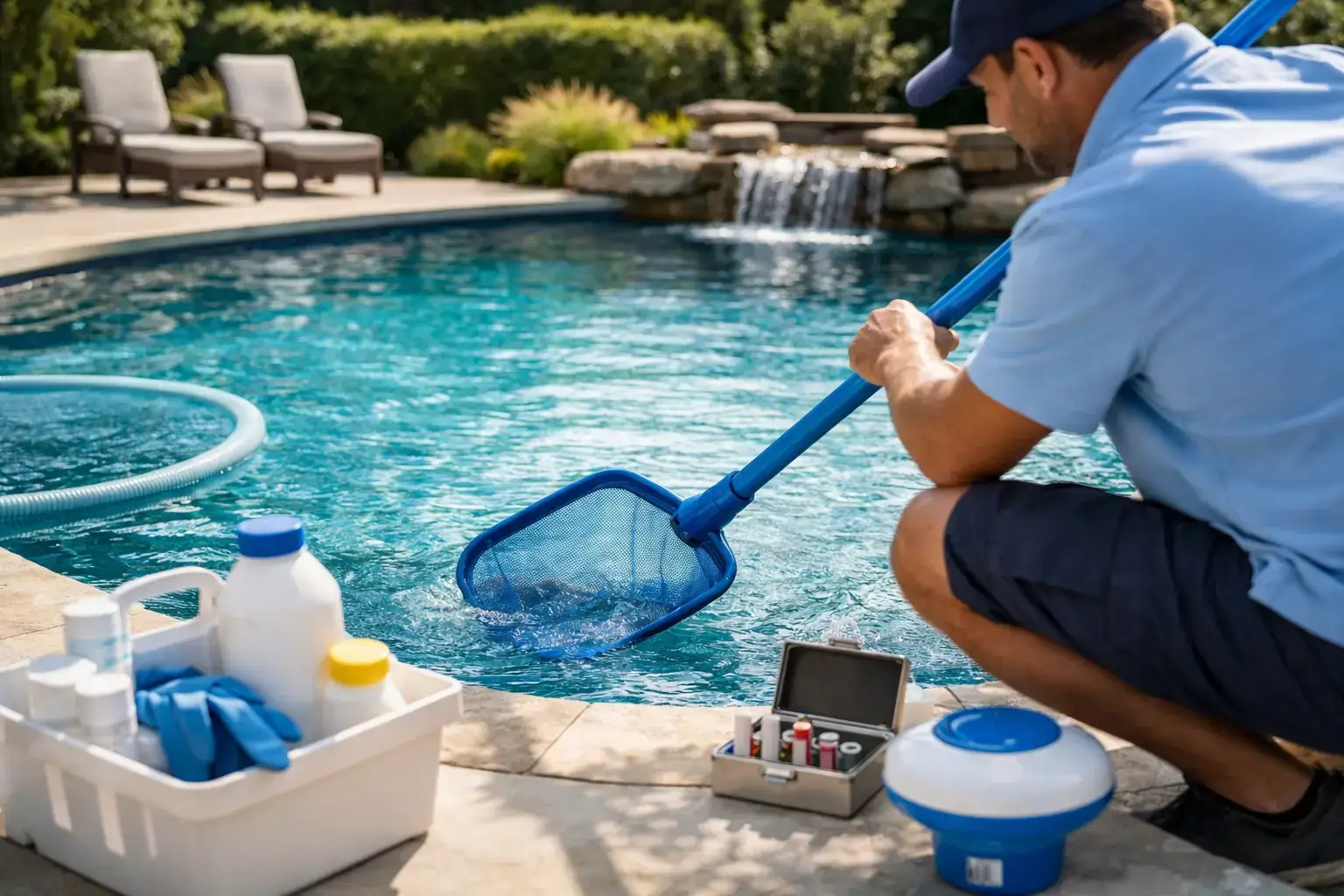
At minimum, each visit should cover water testing and balancing, basket cleaning, surface skimming, wall and floor cleaning as needed, filter and circulation checks, and a review of visible equipment performance. The point is not simply to complete a checklist. The point is to catch early changes in water behavior, pressure, flow, or consumption before they become breakdowns.
Chemical control is one of the clearest examples. Chlorine and pH are obvious markers, but they are not the whole picture. If stabilizer, alkalinity, calcium hardness, or salinity are neglected, the water may still look acceptable while scale, corrosion, irritation, or sanitizer inefficiency develop in the background. Weekly service creates enough frequency to adjust before the pool drifts too far out of range.
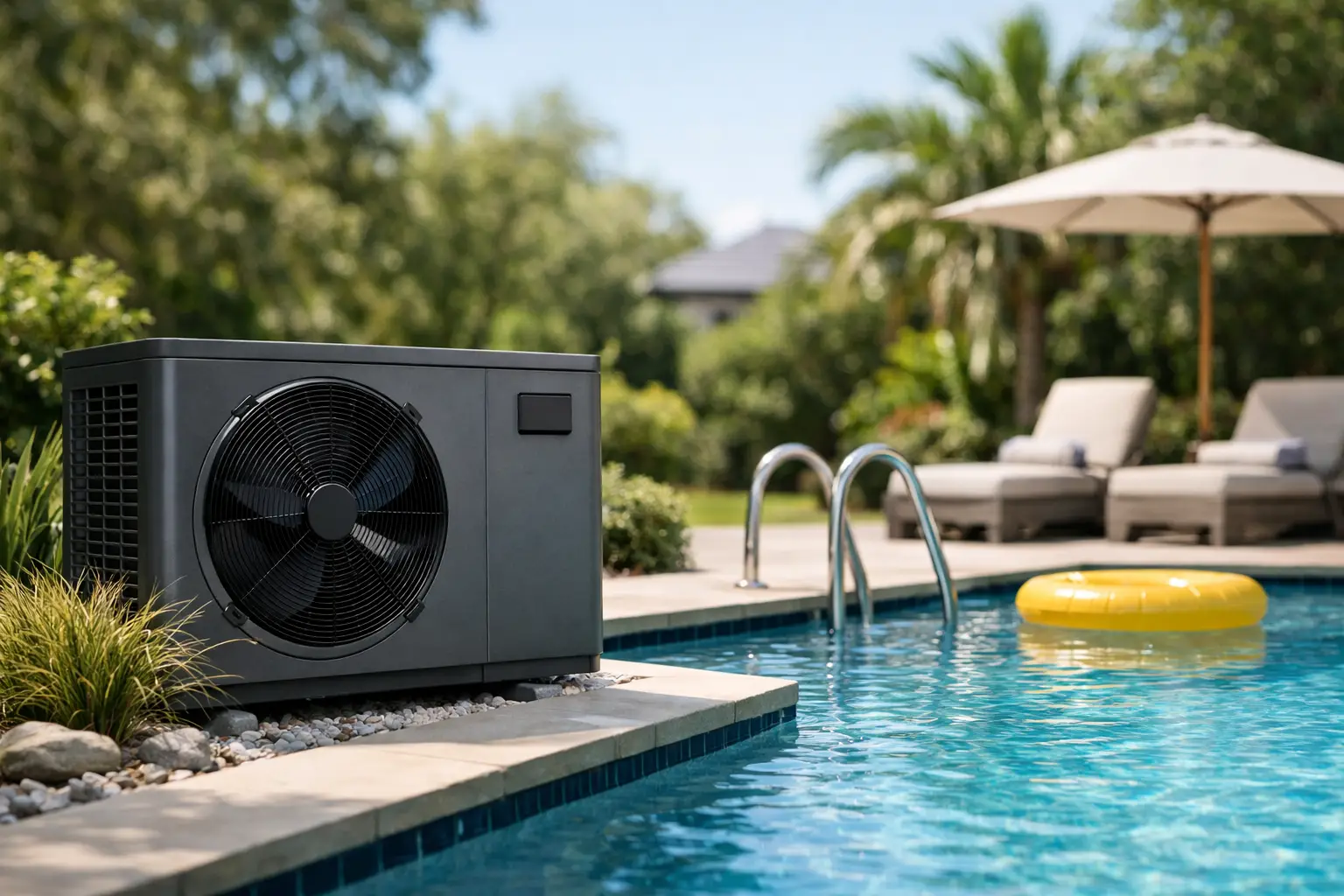
Equipment review matters just as much. A blocked basket, a dirty filter, air entering the system, or a valve problem can quietly reduce circulation for days. That usually leads to higher chemical use, more debris settling, and extra stress on pumps and other components. Weekly monitoring helps maintain performance instead of reacting once damage is visible.
Why weekly service makes financial sense
Many pool owners first look at maintenance as an operating expense. In practice, it is often a cost-control measure. The question is not only what weekly service costs. The better question is what poor control costs over a season.
Water that is not balanced correctly can damage tile lines, interior finishes, metal parts, heat exchangers, and dosing systems. Dirty filtration increases run times and energy use. Inconsistent cleaning allows algae or staining to take hold, and recovery treatments are always more expensive than prevention. Even something as simple as poor circulation can shorten the life of a pump by making it work harder than it should.
For villas and second homes, there is another layer of risk. If the property is not occupied full time, a pool can deteriorate fast between visits if nobody is checking it properly. A reliable weekly schedule reduces the chance of arriving to green water, system alarms, or a leak that has gone unnoticed.
For communities and hotels, the stakes are higher. Water quality is directly tied to safety, compliance, reputation, and guest experience. A neglected communal pool creates complaints quickly. A poorly maintained hotel pool affects reviews, perceived standards, and operational credibility. In those environments, weekly service is less a convenience and more a basic requirement.
Weekly pool maintenance service for different property types
The right service plan depends on how the pool is used. That is why a one-size-fits-all approach usually causes problems later.
A private residential pool usually needs a balance of appearance, water safety, and equipment protection. The owner wants clear water, predictable costs, and quick answers if something changes. Weekly visits are often enough to maintain stability, especially when the system is set up correctly and seasonal adjustments are made on time.
A community pool needs more structure. Bather load is higher, responsibility is shared, and complaints tend to surface quickly if standards drop. Here, the service has to include tighter control over chemistry, cleaning frequency, and technical checks. Communication also matters more, because property managers need visibility into what was done, what needs attention, and what may require approval.
A hotel or high-use rental property demands the highest level of consistency. Water quality has to remain stable under changing occupancy, and the margin for error is smaller. In this setting, weekly service may be the core plan, but some sites need additional monitoring or complementary technical support depending on usage, weather, and installed equipment.
What clients should expect from the provider
A good maintenance company does more than show up. It should make the pool easier to manage.
That starts with clear scope. Clients should know what each weekly visit includes, what is measured, what consumables are part of the plan, and what falls outside routine service. Vague service agreements often lead to disputes later, especially when repairs, filter media replacement, or leak detection become necessary.
The second factor is technical judgment. Pools do not all fail in the same way. An experienced team can tell the difference between a short-term chemical imbalance and a symptom of a larger issue such as poor hydraulics, failing dosing equipment, hidden leakage, or inadequate filtration. That judgment saves time because the response is based on diagnosis, not guesswork.
The third factor is continuity. When maintenance, technical service, repairs, and product supply are handled through separate providers, delays and miscommunication are common. One company blames another, and the client ends up coordinating the problem. A more integrated model reduces friction because the same team can identify the issue, explain it clearly, and resolve it with full context.
Signs your current weekly service is not enough
Some problems are obvious, such as green water or recurring debris. Others are easier to miss.
If chemical consumption seems unusually high, if the pool regularly loses clarity after weekends, if scale returns quickly, or if the pump and filter need frequent attention, the service may be treating symptoms rather than the root cause. The same applies when technicians arrive every week but no one flags long-term wear, inefficient equipment, or patterns in water imbalance.
Another warning sign is poor reporting. If you do not know what was tested, what was adjusted, and what recommendations were made, you are relying on appearance alone. Clear water is not the same as well-managed water.
This is especially relevant in warm, high-demand areas such as Marbella, Mijas Costa, and Estepona, where heat, sun exposure, and intensive seasonal use can shift water conditions quickly. Weekly service in those settings needs to be active and preventative, not passive.
Choosing the right weekly pool maintenance service
The best provider is not always the cheapest or the one offering the longest list of promises. It is the one with a defined process, trained staff, realistic recommendations, and the ability to respond when routine maintenance uncovers a larger issue.
Ask how they structure visits, how they document readings, how they handle early-stage faults, and whether they can take care of repairs and equipment replacement if needed. If the answer is fragmented, you may get a cheaper monthly invoice but a more expensive year overall.
It also helps to look at whether the company adapts by property type. A villa, a residential community, and a hospitality pool should not be maintained under exactly the same protocol. The service should reflect usage, exposure, technical configuration, and the client’s priorities.
For many owners and managers, the strongest option is a provider that can combine recurring maintenance with technical diagnostics, repair capability, and a clear operating plan. That structure reduces downtime, improves accountability, and makes budgeting easier because fewer surprises slip through.
Infinity Brand approaches weekly pool care from that practical angle: keep the water safe, keep the system efficient, and address issues before they escalate. For clients, that usually translates into less stress, better performance, and a pool that stays ready to use instead of becoming a recurring problem.
A good weekly service should give you more than a clean-looking pool. It should give you confidence that the installation is being managed properly, week after week, with no loose ends building up in the background.