A pool that looks perfect but feels too cold gets used far less than most owners expect. That is usually the moment the question comes up – should you install a heat pump for your swimming pool, or is it just another upgrade that adds cost without enough return?
For many properties, a pool heat pump is one of the few equipment changes that directly affects comfort, season length, and operating costs at the same time. But it is not a universal yes. The right answer depends on pool size, exposure, usage pattern, and how disciplined the system is overall.
What a heat pump for your swimming pool actually does
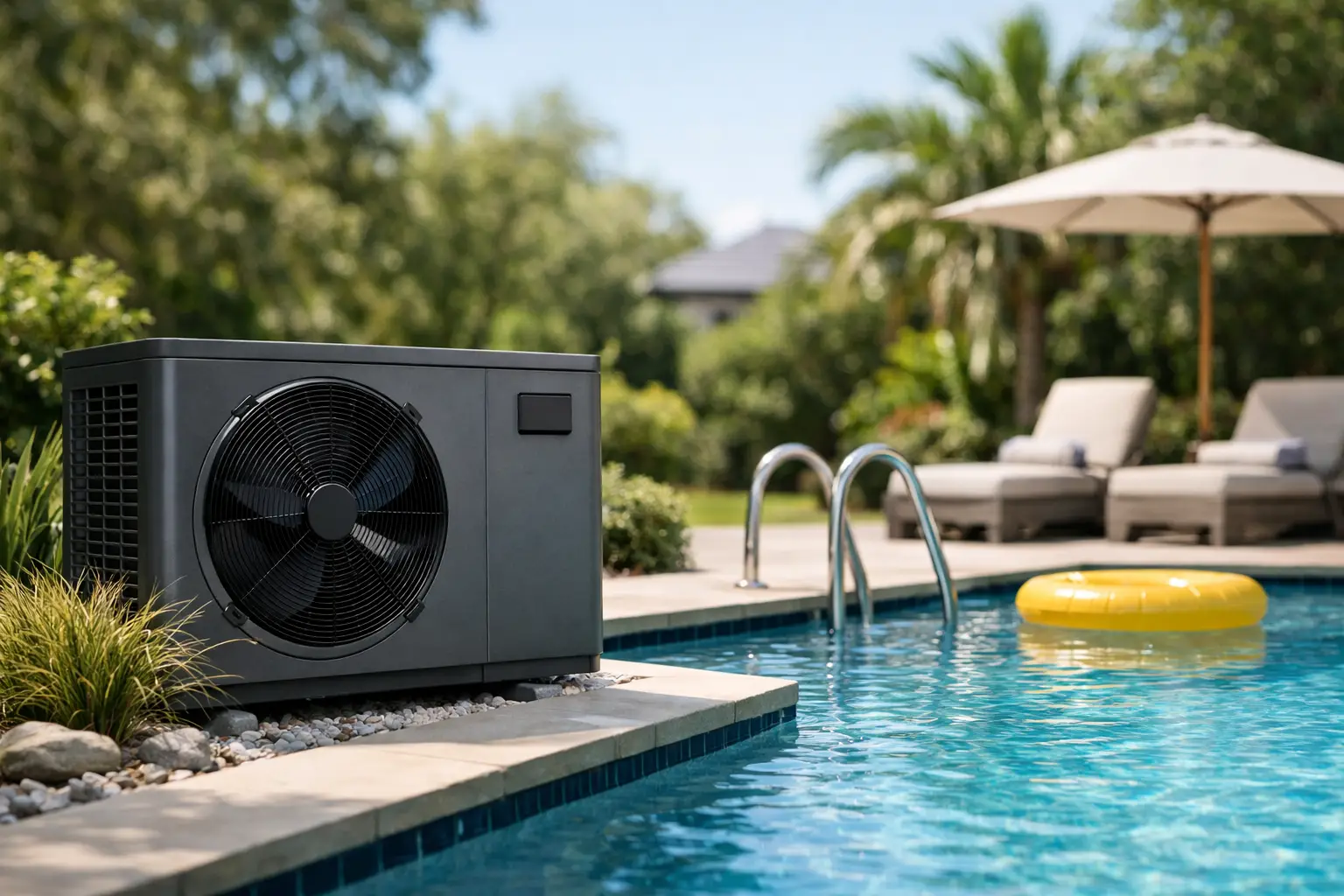
A pool heat pump does not create heat in the same way an electric resistance heater does. It captures heat from the ambient air and transfers it into the pool water. That is why it is typically much more efficient than direct electric heating, especially in mild climates.
This matters because the economics are tied to air temperature. When outdoor conditions are favorable, the unit can deliver several units of heat for every unit of electricity consumed. When temperatures drop, performance drops too. So the technology is efficient, but not magic.
For homeowners, that usually means more comfortable swimming in spring and fall without a major spike in running costs. For hotels and communities, it often means better control over guest experience and a more predictable operating window.
When a heat pump for your swimming pool makes sense
If your pool is used regularly and you want to extend the season, a heat pump is often a smart investment. It is especially effective when the goal is to maintain a stable temperature rather than heat cold water quickly for occasional use.
That distinction matters. Heat pumps are excellent at steady, efficient maintenance. They are less suitable if you expect to keep the pool unheated most of the time and then raise the temperature dramatically overnight before guests arrive.
They also make more sense when the pool already has decent thermal discipline. A cover, reasonable wind protection, and proper circulation all improve performance. Without those basics, you can end up paying to replace heat that escapes too quickly.
In coastal areas with long shoulder seasons, this equipment is often a better fit than owners realize. In places such as Marbella, Mijas Costa, or Estepona, the climate gives heat pumps a real efficiency advantage for much of the year.
The biggest benefits beyond warm water
The obvious benefit is comfort, but most buyers are also paying for consistency. A pool that stays within a usable temperature range is easier to plan around, whether that means weekend family use, rental bookings, or hotel operations.
Another advantage is efficiency. Compared with many other electric heating methods, heat pumps generally cost less to run over time. The savings are not identical for every site, because utility rates, weather, and usage patterns vary, but in many cases the operating profile is far more favorable.
There is also a property management benefit. A properly selected and installed system helps protect the value of the pool as an asset. A luxury villa, community facility, or hospitality property with a pool that is technically available but practically too cold is not delivering the experience people expect.
The trade-offs you should look at honestly
The first trade-off is speed. A heat pump is efficient, but it is not the fastest way to raise water temperature. If you need rapid heating for occasional use, another type of system may be more appropriate, or you may need to adjust expectations.
The second is upfront cost. Purchase and installation usually cost more than simpler heating options. That higher initial spend can still make financial sense over time, but only if the system is used enough to justify it.
The third is climate sensitivity. Heat pumps perform best in mild to warm conditions. If air temperatures are consistently low, the unit will work harder and efficiency will decline. That does not mean the system fails – it means the economics change.
Noise and placement also deserve attention. Modern units are usually quieter than many people expect, but they are not silent. For residential settings, especially near terraces or bedrooms, proper equipment selection and placement matter.
How to size a pool heat pump correctly
Sizing is where many problems begin. An undersized unit may run constantly and still struggle to maintain temperature. An oversized unit can increase purchase cost unnecessarily, and in some setups it may not operate as efficiently as intended.
The correct size depends on several variables: pool volume, desired water temperature, average air temperature, wind exposure, whether the pool is covered, and how quickly you want the pool to recover heat loss.
This is why rule-of-thumb buying can be expensive. Two pools with the same water volume may need very different solutions if one is exposed to wind all day and the other has a high-quality cover and better shelter.
A proper assessment should include more than square footage or gallons. It should look at the full operating context. For communities and hotels, peak demand and usage schedules are also part of the equation.
Installation details that affect real performance
A good heat pump can still underperform if the installation is poor. Hydraulic flow needs to be correct, the electrical setup must match the equipment, and the unit needs enough air circulation around it to exchange heat efficiently.
Positioning matters more than many owners think. If the equipment is placed in a cramped area with restricted airflow, capacity can drop. If pipe runs are poorly planned or control integration is weak, the system may be less responsive and harder to manage.
Water chemistry also plays a role. Poor balance can shorten the life of heat exchangers and other components. This is one reason heating should not be treated as a standalone purchase. It works best as part of a coordinated pool system, with maintenance and technical oversight aligned.
Operating cost: what to expect
There is no single number that applies to every pool, and anyone who gives one without seeing the site is simplifying too much. Operating cost depends on desired temperature, local weather, electricity price, pool size, insulation and cover use, and how many hours the system runs.
That said, the broad pattern is clear. If the goal is to maintain a comfortable temperature through extended use periods, a heat pump is often one of the most economical electric options available. If the goal is occasional rapid heating from cold, cost efficiency becomes less favorable.
A cover can change the equation significantly. Heat loss through evaporation is often the biggest source of wasted energy in outdoor pools. In practical terms, adding or consistently using a cover may reduce heating demand enough to make the entire investment perform better.
Is it better for homes, communities, or hotels?
It can suit all three, but not for the same reasons.
For private homes, the main value is comfort and a longer swim season without a disproportionate operating bill. For communities, the priority is usually maintaining a usable amenity while controlling shared costs. For hotels and vacation properties, guest satisfaction and occupancy standards often drive the decision.
Commercial or semi-commercial settings usually need a more structured approach. Equipment selection, backup planning, maintenance intervals, and response time matter more because downtime affects more users and can create service issues quickly.
That is why many property managers prefer one technical provider who can assess the existing system, install the right equipment, and maintain it over time instead of leaving those steps fragmented.
Common mistakes to avoid
The most common mistake is buying based on advertised capacity alone. Marketing figures rarely tell the full story of how the unit will behave on your specific pool.
The second is ignoring heat retention. Installing a heater without addressing evaporation, cover use, or wind exposure often leads to disappointing results.
The third is treating the heating system as separate from filtration, water balance, and overall equipment condition. If circulation is poor or maintenance is inconsistent, heating performance and equipment longevity both suffer.
A final mistake is focusing only on purchase price. A cheaper unit that is badly sized, noisy, or inefficient in your actual conditions can cost more over the life of the system than a better-matched installation.
What to ask before moving forward
Before approving any proposal, ask how the unit was sized, what assumptions were made about usage and weather, whether a cover is part of the recommendation, and what operating cost range is realistic for your setup.
You should also ask about noise level, maintenance requirements, expected lifespan, warranty scope, and how the new equipment will integrate with the rest of the pool system. Clear answers here usually indicate a provider who is thinking beyond the sale.
For clients who want fewer moving parts and less back-and-forth, Infinity Brand typically approaches this as part of the full pool operation, not as an isolated equipment swap. That tends to reduce surprises later.
A heat pump is not the right answer for every pool, but when the site conditions and usage pattern line up, it is one of the most practical upgrades you can make. The best results come from treating it like a system decision, not just a product purchase. Warm water is the visible outcome. The real value is knowing the pool will be ready when people actually want to use it.